Medicell Plus Clinic in Seoul — Stem Cell & Regenerative Care for Global Patients
5.0 Verified Patient Rating
en-US

Medical Guide
Non-Surgical Blood Flow Enhancement vs Conventional Vascular Care in Korea
The landscape of vascular health in South Korea is shifting rapidly as the population ages.
Schedule a ConsultationThe landscape of vascular health in South Korea is shifting rapidly as the population ages. According to a nationwide cardiovascular survey, approximately 70% of Korean adults possess at least one risk factor for vascular disease, with 34% of seniors over 70 facing three or more co-morbidities. As the burden of circulatory disease grows, many patients are looking beyond traditional surgical interventions toward non-surgical alternatives that prioritize long-term functional recovery over temporary symptom management.
At Medicell Plus Clinic in Seoul, the focus has moved toward Blood Flow Enhancement—a regenerative approach designed to address the root causes of vascular decline. This article explores how modern regenerative protocols compare to conventional vascular care in terms of cost, outcomes, and patient quality of life within the unique context of the Korean healthcare system.
Vascular Care in Korea: Costs, Results, and Advanced Options

Why are Koreans shifting toward non-surgical blood flow enhancement?
Traditional vascular treatments in Korea often focus on the "plumbing" aspect of the disease—clearing blockages or removing damaged veins. However, with the South Korean regenerative medicine market projected to grow at a CAGR of 19.14% through 2033, reaching an estimated USD 2.46 billion, patients are increasingly demanding treatments that heal tissue rather than just bypass the problem.
Current Standard Approaches & Limitations in Korea
In the current Korean medical system, patients with vascular or circulatory issues typically undergo a standard ladder of care:
- Pharmacological Management: Long-term use of antiplatelet agents and statins.
- Pros: Low immediate cost; widely accessible via NHIS.
- Cons: Does not repair damaged vessels; potential for long-term side effects.
- Interventional Procedures (Stenting/Angioplasty): Mechanical widening of arteries.
- Pros: Immediate restoration of flow in acute cases.
- Cons: Risk of re-stenosis; average costs in Seoul for specialized angiography/stenting can range from $3,000 to $7,000 USD.
- Conventional Surgery (Bypass/Stripping): For severe cases like PAD or advanced varicose veins.
- Pros: Effective for end-stage disease.
- Cons*:* Significant downtime; invasive nature often deters elderly patients (who make up the highest percentage of the at-risk population).
Innovative Approach: Blood Flow Enhancement Protocols
At the forefront of this shift is Blood Flow Enhancement, a multidisciplinary protocol that leverages cellular science to improve vascular elasticity and capillary density.
How does Blood Flow Enhancement work?
Unlike surgery, which is subtractive or mechanical, Blood Flow Enhancement is additive and regenerative. It typically involves:
- Vascular Diagnostics: High-precision assessment of blood velocity and vessel wall integrity.
- Cellular Infusion: Delivery of regenerative cells or specialized bio-signals designed to support angiogenesis (the growth of new micro-vessels).
- Metabolic Optimization: Targeted "detox" phases to reduce systemic inflammation that causes vascular plaque.
Is Blood Flow Enhancement in Korea worth the cost?
While the initial investment in regenerative protocols (ranging from $10,000 to $30,000 USD depending on complexity) may be higher than a single injection, it aims to reduce the "lifetime cost" of care. By supporting vessel health at a cellular level, patients may avoid the cycle of repeated surgeries and long-term medication dependency.
Data & Outcomes: Anchoring the Comparison
When comparing the conventional path to the advanced regenerative path, the differences in recovery and intervention frequency are notable.
| Feature | Conventional Vascular Care | Blood Flow Enhancement (Regenerative) |
|---|---|---|
| Primary Goal | Symptom relief / Mechanical clearance | Root-cause repair / Functional vitality |
| Invasiveness | Moderate to High (Incision/Catheter) | Low (Injections/Infusions) |
| Downtime | 1–2 weeks (Surgery) | Minimal to 48 hours |
| Cost in Korea | $3,000 – $7,500 (per event) | $10,000 – $30,000 (comprehensive) |
| Long-term Outlook | Risk of re-intervention | Aim for sustainable tissue healing |
Local Korea Insights: The Tech-Driven Patient
Korean patients are known for being "early adopters" of medical technology. This has fueled the local cell therapy ecosystem, which is among the most vibrant in Asia. Local trends show:
- Medical Tourism Hub: Seoul has become a destination for vascular regenerative care because costs are often 50-70% lower than similar advanced protocols in Japan or the USA.
- The "Fast Recovery" Culture: With Korea's high-paced lifestyle, treatments that offer minimal downtime are prioritized, making non-surgical enhancement the preferred choice for the 30–70 age demographic.
Where Medicell Plus Clinic Fits in Vascular Health in Korea
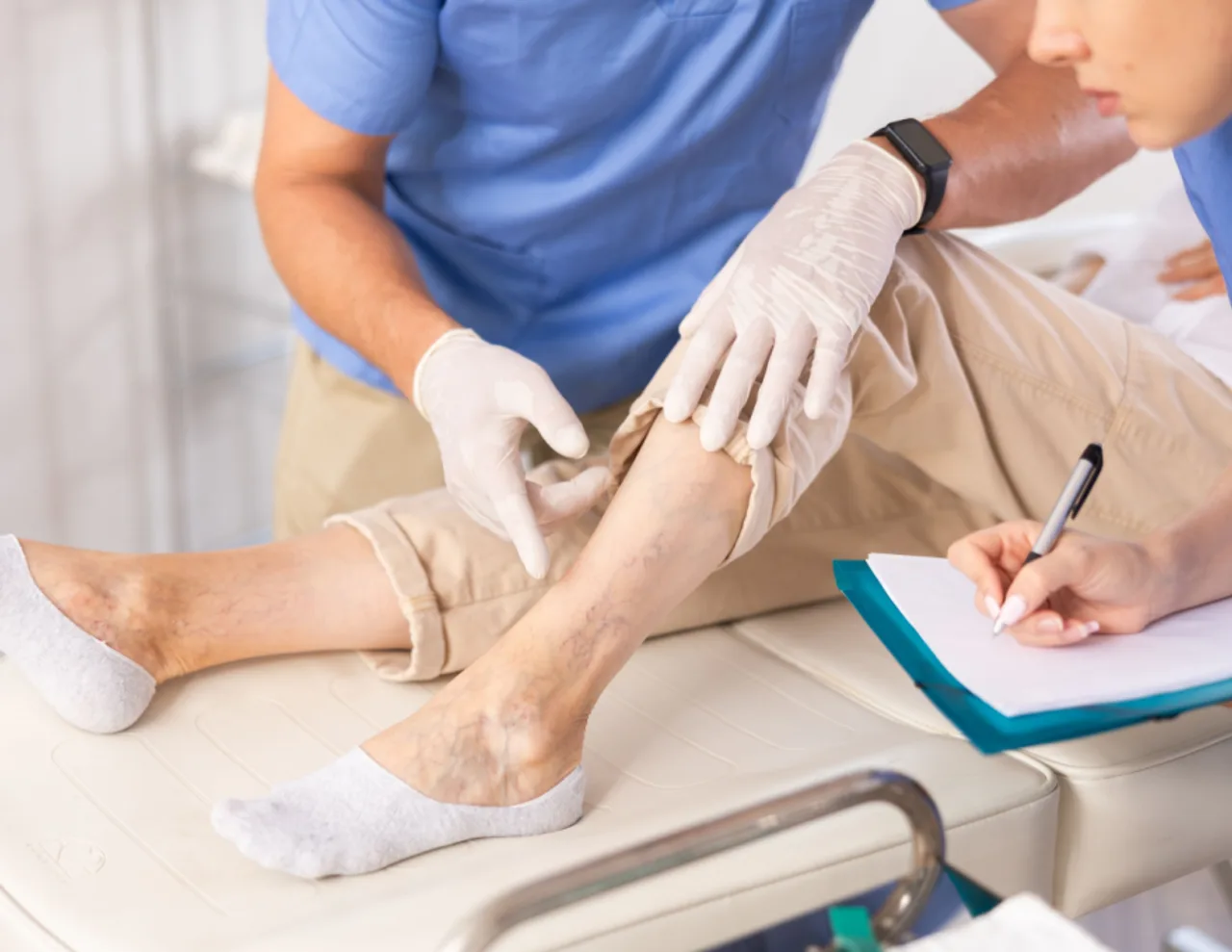
Medicell Plus Clinic specializes in bridging the gap between traditional interventional care and future-facing cellular science. Located in the heart of Seoul’s medical district, the clinic is positioned as a leader in:
- Stem Cell Anti-Aging & Vascular Support: Focused on preventing cerebrovascular and peripheral artery issues.
- Expert Leadership: Led by Chief Directors like Dr. Han Tae-hyung, who brings years of experience in cardiovascular and orthopedic stem cell applications.
- Personalized Pathways: Rather than a generic "one-size-fits-all" injection, the clinic utilizes Blood Flow Enhancement protocols tailored to the patient’s specific diagnostic data.
The clinic’s philosophy emphasizes that "vascular health is the foundation of vitality," applying high-precision regenerative techniques to help patients regain mobility and reduce chronic pain associated with poor circulation.
Conclusion
The scale of vascular health challenges in Korea—where nearly 1 in 4 adults faces hypertension and circulatory risks—demands a move toward more sustainable, tissue-focused care. While conventional surgery remains necessary for acute crises, Blood Flow Enhancement represents a vital, minimally invasive option for those seeking to improve their long-term quality of life.
Patients considering Blood Flow Enhancement in Korea can schedule a consultation with Medicell Plus Clinic to discuss whether this advanced regenerative approach is suitable for their specific vascular health goals.
More Articles
Continue reading our stem cell & regenerative medicine guides.
Why Korea Leads in Stem Cell Joint Therapy Value Over Western Clinics
The global landscape for treating chronic pain and joint degeneration is shifting rapidly toward biological solutions. In South Korea, a nation where approximately 21.
Learn More

Save 40% on Stroke Prevention via Korean Regenerative Care Models
The economic burden of cerebrovascular disease in South Korea has reached a critical threshold. According to a Korean nationwide health survey, approximately 105,000 people experience a new or recurrent stroke every year—averaging one attack every five minutes.
Learn More

Stem Cell Sexual Wellness: Seoul Prices Stable vs Japan’s 10% Annual Hike
The global landscape of regenerative medicine is shifting rapidly as patient demand for cellular therapies increases. For individuals seeking specialized care, regional price variations and structural healthcare differences have become critical factors in decision-making.
Learn More