Medicell Plus Clinic in Seoul — Stem Cell & Regenerative Care for Global Patients
5.0 Verified Patient Rating
en-US

Medical Guide
Save 40% on Stroke Prevention via Korean Regenerative Care Models
The economic burden of cerebrovascular disease in South Korea has reached a critical threshold. According to a Korean nationwide health survey, approximately 105,000 people experience a new or recurrent stroke every year—averaging one attack every five minutes.
Schedule a ConsultationThe economic burden of cerebrovascular disease in South Korea has reached a critical threshold. According to a Korean nationwide health survey, approximately 105,000 people experience a new or recurrent stroke every year—averaging one attack every five minutes. While mortality rates have decreased due to rapid acute care, the long-term cost of disability and rehabilitation remains a significant financial strain for families. A market report on the Korean healthcare sector indicates that the total cost for stroke Prevention care was estimated at roughly US$3.3 billion annually, and with the fastest-aging population among OECD countries, these figures are projected to rise sharply.
For many Korean and international patients, the search for "root-cause" prevention has moved beyond traditional medication. Emerging data suggests that integrating advanced regenerative medicine can significantly shift the long-term cost curve. By focusing on vascular integrity and cellular health before a catastrophic event occurs, patients are finding that preventative regenerative models can offer a substantial reduction in lifetime medical expenses—often saving up to 40% compared to the cumulative costs of chronic disease management and post-stroke rehabilitation.
Why Is Stroke Prevention in Korea Shifting Toward Regenerative Medicine?

The Limitations of Conventional Stroke Prevention
Standard prevention in Korea typically follows a "maintenance" model:
- Antihypertensives & Statins: Essential for managing blood pressure and cholesterol but require lifelong adherence and do not "repair" existing vascular damage.
- Antiplatelet Therapy: Aspirin or Clopidogrel to prevent clots, which carries a persistent risk of gastrointestinal bleeding or bruising.
- Carotid Endarterectomy/Stenting: Invasive surgical options used only after significant blockage (70%+) is already detected.
The Problem with "Maintenance-Only" Care
The primary pain point for patients aged 50–70 is that traditional methods manage risk factors but often fail to address the underlying cellular aging of the blood vessels. This leads to:
- High Re-intervention Rates: Patients often require escalating doses of medication or multiple surgical interventions over 10–20 years.
- Cumulative Costs: While a single prescription is cheap, the 20-year cost of drugs, frequent imaging, and lost productivity is immense.
Innovative Approach: Autologous Stem Cell Therapy for Vascular Health
At the forefront of Korean cerebrovascular care is Autologous Stem Cell Therapy. Unlike traditional interventions that mechanically bypass or thin the blood, this approach focuses on the biological repair of the endothelium—the inner lining of the blood vessels.
How It Works
Autologous Stem Cell Therapy involves harvesting a patient’s own mesenchymal stem cells (typically from bone marrow or adipose tissue). These cells are concentrated and re-introduced to promote:
- Angiogenesis: The formation of new micro-vessels to improve collateral circulation.
- Anti-inflammation: Reducing the chronic vascular inflammation that leads to plaque buildup (atherosclerosis).
- Neuroprotection: Enhancing the resilience of brain tissue against potential ischemic events.
Is Autologous Stem Cell Therapy in Korea worth the cost?
Yes, for many patients it is a strategic investment. By potentially improving vascular elasticity and reducing systemic inflammation, it addresses the root causes of stroke rather than just the symptoms, which can lead to fewer hospitalizations and a higher quality of life over decades.
Data & Outcomes: The Advanced Path vs. Conventional Care
The Korean regenerative medicine market is projected to grow at a CAGR of 18% through 2030, reflecting a massive shift in patient preference. Research published in journals like Journal of Stroke suggests that patients receiving early interventional regenerative care show better functional outcomes (mRS scores) compared to those on standard care alone.
Comparison: Long-Term Outlook
| Feature | Conventional Prevention (Meds/Surgery) | Autologous Stem Cell Therapy |
|---|---|---|
| Primary Goal | Symptom/Risk Management | Tissue Repair & Regeneration |
| Invasiveness | Low (Meds) to High (Surgery) | Minimally Invasive Injections |
| Duration of Effect | Daily (Meds require lifelong use) | Long-term biological shift |
| Relative Lifetime Cost | High (Cumulative over 20+ years) | Moderate (One-time or periodic) |
| Recovery Time | None (Meds) / Weeks (Surgery) | 1–2 days |
Local Korea Insights: The "High-Precision" Advantage
South Korea has established a unique regulatory environment through the "Act on the Safety and Support of Advanced Regenerative Medical and Advanced Biopharmaceuticals." This allows specialized clinics to offer cutting-edge cell therapies under strict safety protocols.
Korean patients, known for demanding "pali-pali" (fast) results and minimal downtime, have pushed the industry toward ultrasound-guided and intra-arterial delivery methods. These high-precision techniques ensure that the stem cells are delivered as close to the target vascular territory as possible, maximizing the potential for repair while minimizing systemic side effects.
Where Medicell Plus Clinic Fits in Stroke Prevention in Korea
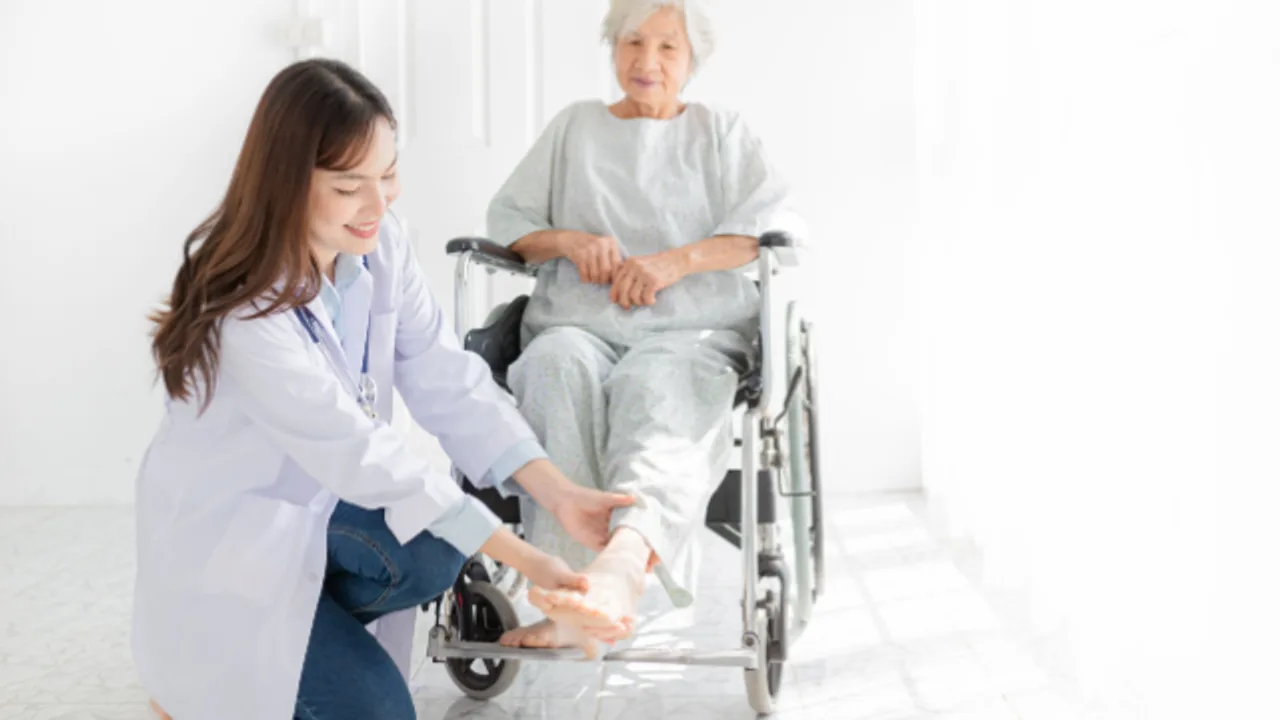
Medicell Plus Clinic specializes in bridging the gap between traditional neurology and advanced cellular science. Located in the heart of Seoul’s medical district, the clinic is a destination for patients seeking a multidisciplinary approach to cerebrovascular health.
- Expert Leadership: Led by Chief Director Dr. Han Tae-hyung, a pioneer with over 30 years of experience. Dr. Han is a graduate of Seoul National University and is board-certified in the United States in Anesthesiology and Pain Medicine, having served as a professor at institutions like Samsung Medical Center.
- Precision Protocol: Medicell Plus Clinic utilizes Autologous Stem Cell Therapy combined with advanced vascular mapping to create personalized prevention plans.
- Integrated Care: The clinic doesn't just treat the vessels; it addresses the "whole patient" by integrating pain management and anti-aging science to ensure the body is in the optimal state for regeneration.
Conclusion
With stroke affecting 1 in 10 deaths in Korea, the limitations and long-term costs of conventional care are becoming clear. Autologous Stem Cell Therapy represents a significant shift toward a proactive, regenerative model that can support long-term vascular health and potentially save patients up to 40% in lifetime healthcare burdens.
Patients considering Autologous Stem Cell Therapy in Korea can schedule a consultation at Medicell Plus Clinic to discuss whether this advanced regenerative approach may be suitable for their specific vascular health goals.
More Articles
Continue reading our stem cell & regenerative medicine guides.
Why Korea Leads in Stem Cell Joint Therapy Value Over Western Clinics
The global landscape for treating chronic pain and joint degeneration is shifting rapidly toward biological solutions. In South Korea, a nation where approximately 21.
Learn More

Save 40% on Stroke Prevention via Korean Regenerative Care Models
The economic burden of cerebrovascular disease in South Korea has reached a critical threshold. According to a Korean nationwide health survey, approximately 105,000 people experience a new or recurrent stroke every year—averaging one attack every five minutes.
Learn More

Stem Cell Sexual Wellness: Seoul Prices Stable vs Japan’s 10% Annual Hike
The global landscape of regenerative medicine is shifting rapidly as patient demand for cellular therapies increases. For individuals seeking specialized care, regional price variations and structural healthcare differences have become critical factors in decision-making.
Learn More