Medicell Plus Clinic in Seoul — Stem Cell & Regenerative Care for Global Patients
5.0 Verified Patient Rating
en-US

Medical Guide
Stem Cell Sexual Wellness: Seoul Prices Stable vs Japan’s 10% Annual Hike
The global landscape of regenerative medicine is shifting rapidly as patient demand for cellular therapies increases. For individuals seeking specialized care, regional price variations and structural healthcare differences have become critical factors in decision-making.
Schedule a ConsultationThe global landscape of regenerative medicine is shifting rapidly as patient demand for cellular therapies increases. For individuals seeking specialized care, regional price variations and structural healthcare differences have become critical factors in decision-making. According to recent Asian medical market analyses, the cost of advanced cell-based therapies in Japan has experienced an approximate 10% annual hike due to rising regulatory compliance overhead and institutional facility fees under its revised regenerative medicine frameworks. Conversely, specialized centers in Seoul, South Korea, have maintained highly stable pricing structures. This price stability combined with advanced clinical protocols has positioned South Korea as a primary hub for international patients seeking high-precision cellular therapies.
For individuals navigating age-related tissue degradation, vascular decline, or reproductive tissue changes, selecting an optimal treatment pathway requires a clear understanding of both clinical and economic benchmarks. At Medicell Plus Clinic, specialized programs in Stem Cell Sexual Wellness leverage these regional advantages to deliver highly personalized protocols. By utilizing optimized local infrastructure and refined processing pipelines, Korean specialized clinics provide advanced autologous treatments without the compounding inflationary premiums currently seen in neighboring medical markets.
Why Consider Stem Cell Sexual Wellness in Korea? Costs, Results, and Regional Trends

When evaluating specialized healthcare, patients frequently look at regional efficiency, technology integration, and economic predictability. The decision to undergo cellular therapy involves weighing long-term systemic value against the recurring costs of conventional management.
What Factors Drive the Cost of Cellular Therapies in Asia?
The pricing of cellular treatments is dictated by laboratory certification standards, processing technology, and local regulatory mandates. Japan's strict Class I and II cellular processing regulations require extensive third-party laboratory verification, which has driven operational expenses upward, resulting in a steady 10% year-over-year cost inflation for patients. South Korea’s streamlined yet rigorous regulatory framework under the Act on Safety and Support for Advanced Regenerative Medicine allows certified domestic institutions to process autologous cells efficiently within specialized, integrated hospital laboratories, keeping overhead predictable and consumer prices stable.
How Do Stable Seoul Prices Impact the Treatment Journey?
Stable pricing allows medical teams to design complete, multi-phase therapeutic protocols based strictly on clinical necessity rather than financial compromises. In an inflationary medical market, patients may opt to truncate their care or skip essential follow-up phases to save on costs. Predictable pricing structures in Seoul ensure that comprehensive diagnostic screenings, harvesting, precise localized injections, and systemic support infusions can be executed as a unified, uncompromised treatment curriculum.
Conventional Management of Vascular and Reproductive Tissue Decline: Standard Approaches and Limitations
The traditional therapeutic ladder for age-related structural and vascular decline in reproductive organs has historically relied on temporary symptom management. While these options offer immediate convenience, they present notable long-term clinical and financial limitations.
Current Standard Approaches in Korea
- Daily Pharmaceutical Management: Oral medications designed to temporarily alter vascular tone or augment hormonal pathways.
- Hormone Replacement Therapies (HRT): Systemic or topical synthetic hormone deliveries aimed at correcting endocrine deficiencies.
- Invasive Surgical Reconstructions: Surgical implants or structural modifications intended to mechanically correct advanced tissue or vascular failure.
Pros, Cons, and Common Patient Pain Points
| Treatment Option | Primary Clinical Advantages | Long-Term Risks & Pain Points |
|---|---|---|
| Oral Pharmaceuticals | Immediate, on-demand effect | |
| High initial convenience | Requires lifetime dependencyDiminishing efficacy over timePotential cardiovascular stress | |
| Hormone Replacement (HRT) | Rapid systemic stabilization | |
| Improves immediate tissue energy | Requires continuous monitoringRisk of synthetic imbalanceDoes not repair underlying tissue | |
| Surgical Interventions | Permanent mechanical alteration | |
| Resolves severe structural issues | High downtime and recovery painRisk of permanent nerve injurySubstantial upfront cost burden |
- The Cycle of Diminishing Returns: Conventional drugs do not repair the microvascular architecture or neural pathways; they merely mask biological decline. Over time, patients often require higher dosages, compounding potential side effects.
- Cumulative Lifetime Costs: While a single prescription or localized nerve injection may appear economical upfront, the compounding cost of decades-long pharmaceutical reliance frequently surpasses the cost of a structured, multi-phase cellular protocol.
Stem Cell Sexual Wellness in Korea: Mechanics, Safety, and Long-Term Value
To address the root cause of tissue degradation, regenerative medicine focuses on cellular and structural repair rather than symptom suppression. Stem Cell Sexual Wellness protocols utilize the body’s own healing mechanisms to systematically rejuvenate damaged microvascular networks and localized tissue matrices.
How Autologous Stem Cell Therapy Works
The treatment relies entirely on Autologous Stem Cell Therapy, utilizing the patient's own biological material harvested safely from adipose tissue, bone marrow, or peripheral blood.
- Isolation: The harvested tissue is processed in a high-tech laboratory centrifuge to isolate a concentrated pool of mononuclear cells, mesenchymal stem cells (MSCs), and vital growth factors.
- Reinjection: These isolated autologous units are precisely delivered via targeted local injections into target pelvic and tissue zones.
- Regeneration: Once introduced, the cells release signaling molecules that initiate (the formation of new, healthy blood vessels) and promote localized nerve and tissue repair.
Is Stem Cell Sexual Wellness in Korea worth the cost?
Yes, for patients seeking long-term structural repair rather than lifelong pharmaceutical reliance, the approach offers measurable value. By utilizing the patient's own autologous cells within South Korea's stable-cost medical ecosystem, individuals avoid the recurring expenses of conventional treatments and the 10% annual price hikes observed in neighboring markets like Japan. The protocol targets root-cause vascular and tissue regeneration, resulting in sustained biological improvements without surgical downtime.
Data and Clinical Outcomes: Comparing Conventional Pathways vs. Regenerative Protocols
Evaluating healthcare options requires looking at measurable, data-driven benchmarks. Industry market research notes that South Korea’s regenerative medicine market sector is projected to expand robustly, driven by a projected Compound Annual Growth Rate (CAGR) of approximately 18% through 2030. This rapid growth reflects high clinical utilization and strong patient satisfaction rates across the country.
Structural Comparison of Care Pathways
| Evaluation Metric | Conventional Care Pathway (Pharmaceuticals / Injections) | Advanced Regenerative Pathway (Stem Cell Sexual Wellness) |
|---|---|---|
| Primary Therapeutic Goal | Temporary symptom suppression & artificial vascular dilation | Root-cause tissue repair & microvascular neoangiogenesis |
| Treatment Frequency | Daily lifelong consumption or repeated quarterly interventions | Structured multi-phase protocol with long-term maintenance |
| Downtime & Recovery | Zero initial downtime, but persistent long-term side effects | Minimal outpatient downtime (typically 1–2 days) |
| Risk of Immunogenic Rejection | Moderate to high risk of systemic drug interactions | Zero risk of rejection due to 100% autologous cell sourcing |
| Economic Predictability | High exposure to lifelong pharmacy inflation curves | Highly stable, upfront cost structure in the Korean ecosystem |
By focusing treatment on biological reconstruction, the advanced regenerative path reduces a patient's long-term dependence on repeated palliative interventions. Over an extended timeline, this shift helps flatten the patient's healthcare cost curve while measurably improving functional quality of life.
Local Korea Insights: High-Precision Infrastructure and Regulatory Standards
The domestic healthcare landscape in South Korea is uniquely calibrated to support advanced, minimally invasive interventions. Several key factors contribute to Seoul's prominence in the global regenerative field:
- The Demand for Efficiency and Precision: Korean patients expect fast recovery times, minimal disruption to daily life, and high-precision execution. This cultural demand has driven Korean clinics to pioneer highly refined, needle-based outpatient delivery systems that avoid the need for prolonged hospitalization.
- Strict Institutional Integration: Under local medical acts, only institutions with verified, advanced laboratory capabilities and certified clean-room infrastructures are permitted to harvest and process cellular tissue. This means that a patient's biological sample is handled within a highly controlled, closed-loop system, maximizing cell viability and prioritizing patient safety.
- Medical Tourism Ecosystem: South Korea's advanced medical infrastructure provides international patients with transparent pricing, integrated translation coordination, and comprehensive diagnostic pipelines, making advanced care accessible and predictable.
Where Medicell Plus Clinic Fits in Stem Cell Sexual Wellness in Korea
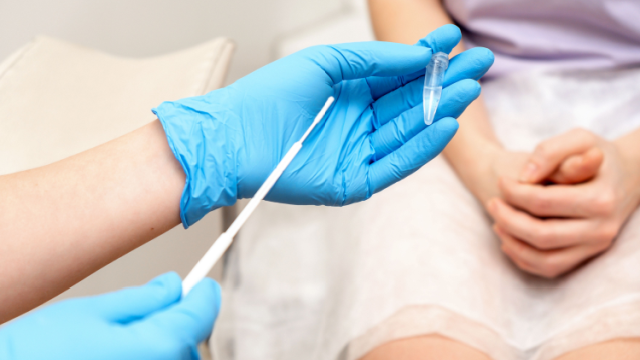
Within Seoul’s advanced medical ecosystem, Medicell Plus Clinic serves as a specialized institution dedicated to cellular longevity, vascular health, and regenerative wellness. The clinic’s specialized division for Stem Cell Sexual Wellness approaches intimate health through a comprehensive, systemic lens, recognizing that localized tissue performance is inherently linked to systemic vascular and endothelial health.
Medicell Plus Clinic utilizes a rigorous, multi-phase clinical framework designed to maximize the efficacy of every autologous cell transfer. Treatment begins with an advanced biomarker and vascular elasticity screening to map out unique cellular needs. Processing is conducted within a state-of-the-art laboratory environment, ensuring optimal cell counts before precise reintroduction. Furthermore, the clinic integrates targeted local care with systemic intravenous support therapies, helping optimize the biological environment for the newly transferred cells.
Led by highly qualified medical experts with extensive histories in vascular medicine and regenerative biology, the clinic prioritizes precise patient selection and clear communication. Emerging clinical evidence suggests that this multidisciplinary approach can support long-term tissue function, helping patients achieve sustainable vitality without relying on invasive surgical alternatives.
Conclusion
Managing age-related vascular and tissue decline requires moving past temporary pharmaceutical solutions. While conventional therapies carry the burden of lifelong reliance and neighboring medical markets face steady 10% annual price increases, South Korea’s stable medical ecosystem offers an efficient, high-precision alternative. By focusing on root-cause cellular restoration through Autologous Stem Cell Therapy, patients can access a structured pathway toward long-term biological rejuvenation.
Patients considering Stem Cell Sexual Wellness in Korea can schedule a consultation with the medical team at Medicell Plus Clinic to discuss whether this advanced, minimally invasive approach is suitable for their specific health status and long-term wellness goals.
More Articles
Continue reading our stem cell & regenerative medicine guides.
Why Korea Leads in Stem Cell Joint Therapy Value Over Western Clinics
The global landscape for treating chronic pain and joint degeneration is shifting rapidly toward biological solutions. In South Korea, a nation where approximately 21.
Learn More

Save 40% on Stroke Prevention via Korean Regenerative Care Models
The economic burden of cerebrovascular disease in South Korea has reached a critical threshold. According to a Korean nationwide health survey, approximately 105,000 people experience a new or recurrent stroke every year—averaging one attack every five minutes.
Learn More

Stem Cell Sexual Wellness: Seoul Prices Stable vs Japan’s 10% Annual Hike
The global landscape of regenerative medicine is shifting rapidly as patient demand for cellular therapies increases. For individuals seeking specialized care, regional price variations and structural healthcare differences have become critical factors in decision-making.
Learn More