Medicell Plus Clinic in Seoul — Stem Cell & Regenerative Care for Global Patients
5.0 Verified Patient Rating
en-US

Medical Guide
Korean Men’s Health: Rising Demand for Natural Stem Cell ED Care
The landscape of men's restorative health in South Korea is undergoing a significant shift.
Schedule a ConsultationThe landscape of men's restorative health in South Korea is undergoing a significant shift. Traditional management strategies for erectile dysfunction (ED), long dominated by temporary pharmaceutical interventions, are increasingly being evaluated alongside advanced biocellular alternatives. According to recent Korean nationwide health surveys and insurance review data, the clinical prevalence of ED among Korean males aged 40 to 69 sits between 30% and 40%, with a notable acceleration in younger demographics due to metabolic stress and vascular factors. As patients seek long-term structural improvement rather than situational assistance, regenerative medical protocols are moving to the forefront of specialized clinical discussions.
For both domestic patients and international individuals seeking care in Seoul, navigating these options requires a clear, data-informed perspective. Medicell Plus Clinic has introduced targeted protocols designed to address the physiological root causes of vascular and neurogenic dysfunction. By focusing on autologous tissue restoration, these interventions align with a growing demand for high-precision, minimally invasive therapies that prioritize long-term urological health and systemic quality of life over transient chemical fixes.
The domestic market for regenerative urology has seen a compound annual growth rate (CAGR) of over 8.5% over the past five years, as documented in domestic biomedical market reports. This growth reflects a profound behavioral shift: patients are systematically moving away from treatments that carry systemic side effects or risk tachyphylaxis (decreased treatment responsiveness), choosing instead therapies that leverage the body’s intrinsic cellular signaling mechanisms to repair endothelial linings and cavernosal tissue.
ED Stem Cell Treatment in Korea: Benefits, Risks, and Ideal Candidates
What is Autologous ED Stem Cell Treatment?
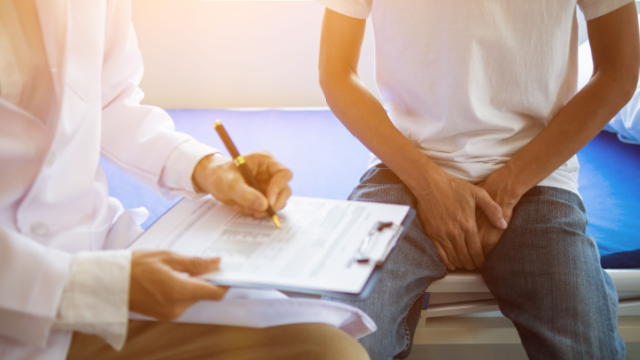
Autologous ED Stem Cell Treatment involves the isolation and deployment of a patient's own mesenchymal stem cells (MSCs)—typically derived from adipose tissue or bone marrow—to stimulate angiogenesis (new blood vessel formation) and tissue regeneration within the corpus cavernosum.
Why are Korean Patients Turning to Regenerative Care?
- Endothelial Repair: Unlike temporary vasodilators, cellular therapy targets the underlying vascular endothelium, promoting natural nitric oxide pathways.
- Biocompatibility: Utilizing autologous cells minimizes the risk of immunological rejection or severe adverse reactions.
- Sustained Function: The protocol aims to restore spontaneous physiological responses, reducing psychological anxiety and pill dependency.
Who is the Ideal Candidate for This Protocol?
The selection criteria focus primarily on individuals experiencing mild-to-severe vascular or neurogenic ED who have shown insufficient response to oral phosphodiesterase-5 (PDE5) inhibitors, or those who wish to avoid the cardiovascular risks associated with long-term medication use. Candidates must undergo comprehensive pre-treatment screening, including penile Doppler ultrasound, to map existing vascular insufficiency and ensure an optimal therapeutic environment.
Current Standard ED Approaches and Their Structural Limitations
The traditional therapeutic ladder for erectile dysfunction in Korea relies on a established sequence of interventions. While highly accessible, these modalities present distinct operational and clinical boundaries that frequently prompt patients to seek alternative care pathways.
- Oral Medications (PDE5 Inhibitors):
- Pros: Highly accessible, rapid onset, effective for situational management.
- Cons: Requires strict timing; common side effects include migraines, flushing, and visual disturbances; contraindicated with nitrates; does not cure the underlying vascular pathology.
- Extracorporeal Shockwave Therapy (ESWT):
- Pros: Non-invasive, stimulates localized microcirculation via mechanical acoustic waves.
- Cons: Requires multiple weekly sessions (often 6 to 12 cycles); structural efficacy can be variable depending on the severity of tissue fibrosis.
- Intracavernosal Injections (Trimix/Alprostadil):
- Pros: Direct localized action, independent of neurological arousal signals.
- Cons: High psychological barrier; risk of localized scarring, pain, or priapism; requires strict sterile self-administration before intercourse.
Key Patient Pain Points in Traditional Care
- The "Dependency Cycle": The financial and psychological burden of relying on life-long medication purchases, with domestic costs ranging from 5,000 KRW to 15,000 KRW per dose.
- Diminishing Efficacy: Clinical data indicates that up to 30% of patients experience a gradual drop-off in oral medication efficacy over a 3-to-5-year period due to progressive vascular degradation.
- Lack of Spontaneity: Traditional interventions require strict planning, which can introduce performance anxiety and lower overall patient satisfaction scores.
Advanced Regenerative Medicine: How ED Stem Cell Treatment Modifies the Vascular Pathway
ED Stem Cell Treatment operates on a cellular signaling methodology rather than a mechanical or chemical pathway. When autologous stem cells are precisely delivered into the target cavernous tissues under high-resolution ultrasound guidance, they release an array of cytokines and growth factors, including Vascular Endothelial Growth Factor (VEGF) and Basic Fibroblast Growth Factor (bFGF). These signaling molecules initiate a cascade that repairs damaged endothelial cells, restores smooth muscle content, and reverses localized fibrotic changes.
By targeting the structural framework of the penile vasculature, this approach facilitates a gradual return to natural, unassisted hemodynamic function. Because it addresses root-cause tissue degeneration, it helps reduce a patient's long-term reliance on external biochemical stimulants.
Is ED Stem Cell Treatment in Korea worth the cost?
For patients calculating the multi-year cumulative costs of premium prescription medications, regular clinical follow-ups, or recurring mechanical therapies, autologous cellular protocols represent a structured investment in foundational health. While initial out-of-pocket costs are higher, the potential to restore spontaneous physiological function and minimize ongoing pharmaceutical expenses makes it a highly valuable option for properly screened candidates.
Clinical Data and Outcomes: Comparing the Strategic Pathways
When reviewing data from international regenerative medicine registries and localized Korean clinical observations, the differences between conventional symptom management and advanced cell-based pathways become clear.
| Evaluation Metric | Conventional Path (PDE5i + Local Injections) | Advanced Path (ED Stem Cell Treatment) |
|---|---|---|
| Primary Mechanism | Temporary smooth muscle relaxation & vasodilation | Angiogenesis and endothelial tissue regeneration |
| Duration of Effect | 4 to 36 hours per administration | Long-term structural improvement (variable by patient lifestyle) |
| Spontaneity of Action | Low (requires pre-planning and timing) | High (aims to restore natural physiological responses) |
| Average Treatment Frequency | Continuous, lifelong usage per event | Structured protocol (typically 1–2 primary sessions with follow-up) |
| Systemic Side Effects | Risk of headaches, flushing, cardiovascular interactions | Minimal (localized transient swelling or bruising at injection site) |
While individual responses vary based on age, metabolic profile, and baseline vascular health, tracking data from cell-therapy applications consistently shows improvements in International Index of Erectile Function (IIEF-5) scores. Patients regularly note a reduction in the severity of their symptoms alongside a measurable return of vascular elasticity within 3 to 6 months post-procedure.
Local South Korea Insights: Tech-Driven Care and Patient Expectations
The rise in demand for ED Stem Cell Treatment is closely tied to the specific expectations of the Korean medical consumer. Patients in South Korea highly value efficiency, technological precision, and therapies that allow them to quickly return to their daily routines without prolonged downtime. The ability to undergo an advanced outpatient procedure—often completed within a few hours from cell harvesting to targeted delivery—fits seamlessly into busy lifestyles.
Furthermore, South Korea's robust regulatory framework, governed by the Ministry of Food and Drug Safety (MFDS) and specialized legislation regarding advanced regenerative medicine, ensures that authorized cell-handling facilities maintain exceptionally high standards of safety, sterility, and processing precision. This sophisticated medical ecosystem attracts a growing number of international patients to Seoul, all seeking cutting-edge biocellular therapies in an environment defined by clinical transparency and strict quality control.
Where Medicell Plus Clinic Fits in ED Stem Cell Treatment in Korea
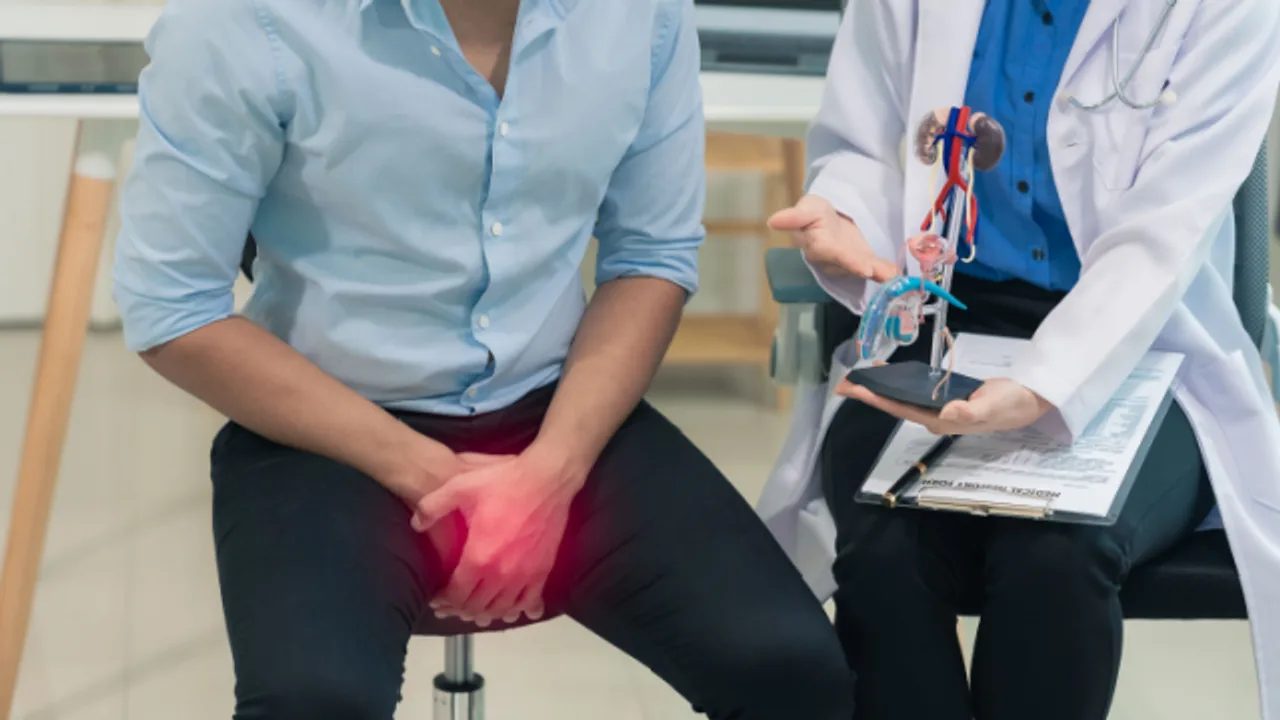
Medicell Plus Clinic is a specialized center for advanced regenerative therapies, specifically tailored for patients seeking ED Stem Cell Treatment in Korea. The clinic distances itself from generalized, one-size-fits-all treatments, opting instead for a highly precise, diagnostic-first methodology. Every patient undergoes an advanced physiological assessment to map vascular integrity and tissue health before a customized cellular concentration is formulated.
At Medicell Plus Clinic, the entire extraction, isolation, and activation process takes place within a state-of-the-art, closed-loop laboratory system that protects cell viability and maintains strict sterility. The delivery process uses high-resolution, ultrasound-guided micro-injections to ensure the autologous cells are placed exactly where they can best support tissue repair. Under the guidance of seasoned clinical experts holding decades of combined experience in urological wellness and regenerative biology, the clinic prioritizes patient safety, ethical candidacy selection, and thorough, structured follow-up care to support long-term functional recovery.
Conclusion
Erectile dysfunction remains a widespread health concern affecting millions of men across South Korea, frequently accompanied by escalating long-term costs and the limitations of conventional, temporary medications. While traditional pharmaceutical options manage symptoms on a situational basis, they do not repair the underlying vascular or tissue damage. Autologous ED Stem Cell Treatment offers an advanced, science-backed approach designed to stimulate natural tissue healing and restore spontaneous function.
Patients considering ED Stem Cell Treatment in Korea can schedule a consultation to discuss whether this approach may be suitable for their specific condition and goals.
More Articles
Continue reading our stem cell & regenerative medicine guides.
Why Korea Leads in Stem Cell Joint Therapy Value Over Western Clinics
The global landscape for treating chronic pain and joint degeneration is shifting rapidly toward biological solutions. In South Korea, a nation where approximately 21.
Learn More

Save 40% on Stroke Prevention via Korean Regenerative Care Models
The economic burden of cerebrovascular disease in South Korea has reached a critical threshold. According to a Korean nationwide health survey, approximately 105,000 people experience a new or recurrent stroke every year—averaging one attack every five minutes.
Learn More

Stem Cell Sexual Wellness: Seoul Prices Stable vs Japan’s 10% Annual Hike
The global landscape of regenerative medicine is shifting rapidly as patient demand for cellular therapies increases. For individuals seeking specialized care, regional price variations and structural healthcare differences have become critical factors in decision-making.
Learn More