Medicell Plus Clinic in Seoul — Stem Cell & Regenerative Care for Global Patients
5.0 Verified Patient Rating
en-US

Medical Guide
Prolotherapy vs Surgery: Cutting Lifetime Chronic Pain Costs in Korea
Chronic pain is no longer just a personal health struggle; it has become a significant economic burden in South Korea. According to various Korean nationwide health surveys, approximately 21.9% of the adult population suffers from chronic musculoskeletal pain.
Schedule a ConsultationChronic pain is no longer just a personal health struggle; it has become a significant economic burden in South Korea. According to various Korean nationwide health surveys, approximately 21.9% of the adult population suffers from chronic musculoskeletal pain. As the population ages, the frequency of interventional procedures—such as repeated nerve blocks and spinal surgeries—has surged.
For many patients at Medicell Plus Clinic, the primary concern is the "treatment treadmill." Conventional pain management often involves a cycle of temporary relief followed by recurring symptoms, leading to escalating lifetime costs. A market report on the Korean healthcare landscape suggests that while individual injections are affordable under national insurance, the cumulative cost of physical therapy, medication, and eventual surgical intervention can reach tens of millions of won over a patient's lifetime. This article explores how Prolotherapy serves as a cost-effective, regenerative alternative for Korean and international patients seeking to break the cycle of chronic pain.
Prolotherapy in Korea: Costs, Outcomes, and Patient Suitability
Why is Prolotherapy gaining popularity for chronic pain in Korea?
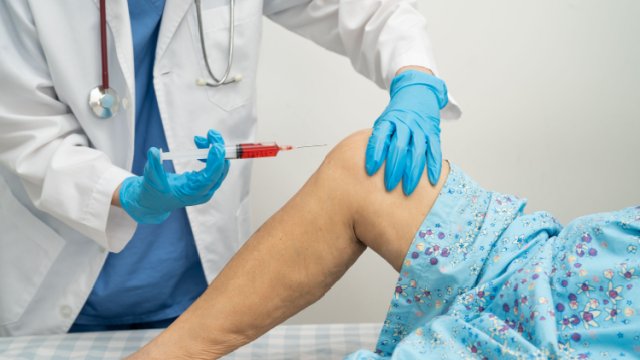
Unlike temporary painkillers, Prolotherapy targets the root cause of instability—weakened ligaments and tendons. In Korea's high-tech medical environment, patients are increasingly choosing "bio-orthopedics" over "mechanical" fixes like metal screws or joint replacements.
Is Prolotherapy in Korea worth the cost?
Yes, for many patients. While the upfront cost of a Prolotherapy cycle may be higher than a single steroid injection, it focuses on permanent tissue repair. By strengthening joint stability, it can reduce the long-term need for expensive surgeries, long-term medication, and frequent hospital visits, effectively lowering the "lifetime cost of pain."
Current Standard Approaches & Limitations in Korean Pain Care
The traditional "treatment ladder" in Korea typically follows a predictable path. However, each step comes with specific drawbacks regarding long-term efficacy and cumulative expense.
- Painkillers & NSAIDs: Affordable and accessible but carry risks of gastrointestinal and kidney issues with long-term use.
- Steroid Injections (Nerve Blocks): Highly effective for immediate inflammation but may weaken local tissues over time if used excessively.
- Spinal/Joint Surgery: A definitive mechanical fix, yet involves high immediate costs, significant downtime (4–12 weeks), and risks of "Failed Back Surgery Syndrome."
Common Patient Pain Points in Korea:
- Re-intervention Rates: High frequency of returning pain after the effects of temporary blocks wear off.
- Downtime: Modern Korean workers cannot afford the month-long recovery periods required by invasive surgery.
- Cost Accumulation: Small, frequent payments for physical therapy and medication often go unnoticed but surpass the cost of a structured regenerative protocol over 5–10 years.
The Innovative Approach: Prolotherapy & Regenerative Injections
Medicell Plus Clinic utilizes Prolotherapy as a cornerstone of its regenerative protocol. This approach is fundamentally different from "suppressive" medicine.
How it Works (The Mechanism):
Prolotherapy involves the precise injection of a mild irritant solution (typically a high-concentration dextrose) into the junctions where ligaments and tendons meet bone. This triggers a controlled, local inflammatory cascade. This "good inflammation" signals the body to send growth factors and fibroblasts to the site, laying down new collagen fibers.
Why it is a Tech-Driven Choice:
- High-Precision: Often performed under ultrasound guidance to ensure the solution reaches the microscopic tears in the tissue.
- Root-Cause Focused: It treats the "laxity" (looseness) of the joint, which is often the hidden cause of chronic disc and joint pain.
- Minimally Invasive: No scalpels or general anesthesia are required; patients typically return to daily life immediately.
Data & Outcomes: Anchoring the Value Proposition
The transition toward regenerative medicine is supported by Korea’s rapid market growth in this sector, which is projected to grow at a CAGR of roughly 18% through 2030. When comparing outcomes, the "Advanced Path" focuses on functional restoration rather than just symptom masking.
Comparison of Pain Management Pathways
| Feature | Conventional Path (Steroids/Blocks) | Advanced Path (Prolotherapy) |
|---|---|---|
| Primary Goal | Suppress Inflammation | Stimulate Tissue Growth |
| Recovery Time | 0–1 Day | 0–1 Day (Minor soreness) |
| Relief Duration | Temporary (Weeks to Months) | Long-term/Permanent (Once healed) |
| Tissue Impact | May weaken tendons over time | Strengthens ligaments/tendons |
| Lifetime Cost | High (due to repetition/surgery) | Moderate (structured initial sessions) |
Local Korea Insights: Fast Recovery and Bio-Innovation
The Korean patient demographic is unique; there is a high demand for "Pali-Pali" (fast) results combined with a deep respect for advanced technology. Prolotherapy fits this niche perfectly.
- The Aesthetic-Functional Hybrid: Many patients in Seoul are familiar with regenerative "skin boosters." They are now applying that same logic to their joints—demanding "joint boosters" like Prolotherapy to maintain an active lifestyle into their 70s.
- Regulatory Context: With the "Advanced Regenerative Medicine and Biotech Act" in Korea, the ecosystem for cellular and regenerative therapies is among the most robust in the world, providing a safe, regulated framework for clinics like Medicell Plus.
Where Medicell Plus Clinic Fits in Prolotherapy in Korea

Medicell Plus Clinic specializes in bridging the gap between traditional pain management and the future of cellular healthcare. As a specialized regenerative hub in Seoul, the clinic positions itself not just as a provider of injections, but as a center for Musculoskeletal Health Restoration.
The clinic’s approach is defined by:
- Evidence-Based Protocols: Following the scientific rigor established by pioneers of Prolotherapy, ensuring the right concentration of solutions for specific tissue types.
- Multidisciplinary Expertise: The medical team integrates years of experience in interventional pain care with a focus on long-term vitality.
- Patient-Centric Selection: Not every patient is a candidate for Prolotherapy. The clinic emphasizes "Medical Transparency," using diagnostic imaging to ensure that regenerative therapy is the most viable path for the individual.
Conclusion
The chronic pain crisis in Korea affects millions, but the high costs of surgery and the limitations of temporary injections are driving a shift toward more sustainable options. While conventional care often manages symptoms, Prolotherapy offers a data-supported pathway to actual tissue healing and joint stability. By addressing the root cause of pain, patients can significantly reduce their long-term medical expenditures and improve their quality of life.
Patients considering Prolotherapy in Korea can schedule a consultation at Medicell Plus Clinic to discuss whether this regenerative approach may be suitable for their specific condition and goals.
More Articles
Continue reading our stem cell & regenerative medicine guides.
Why Korea Leads in Stem Cell Joint Therapy Value Over Western Clinics
The global landscape for treating chronic pain and joint degeneration is shifting rapidly toward biological solutions. In South Korea, a nation where approximately 21.
Learn More

Save 40% on Stroke Prevention via Korean Regenerative Care Models
The economic burden of cerebrovascular disease in South Korea has reached a critical threshold. According to a Korean nationwide health survey, approximately 105,000 people experience a new or recurrent stroke every year—averaging one attack every five minutes.
Learn More

Stem Cell Sexual Wellness: Seoul Prices Stable vs Japan’s 10% Annual Hike
The global landscape of regenerative medicine is shifting rapidly as patient demand for cellular therapies increases. For individuals seeking specialized care, regional price variations and structural healthcare differences have become critical factors in decision-making.
Learn More